When we move away from deficit-based approaches, we honor the entire spectrum of the human experience. When programs center the unique experiences of young people and the communities they come from, they do the real work of seeing them and their experiences.
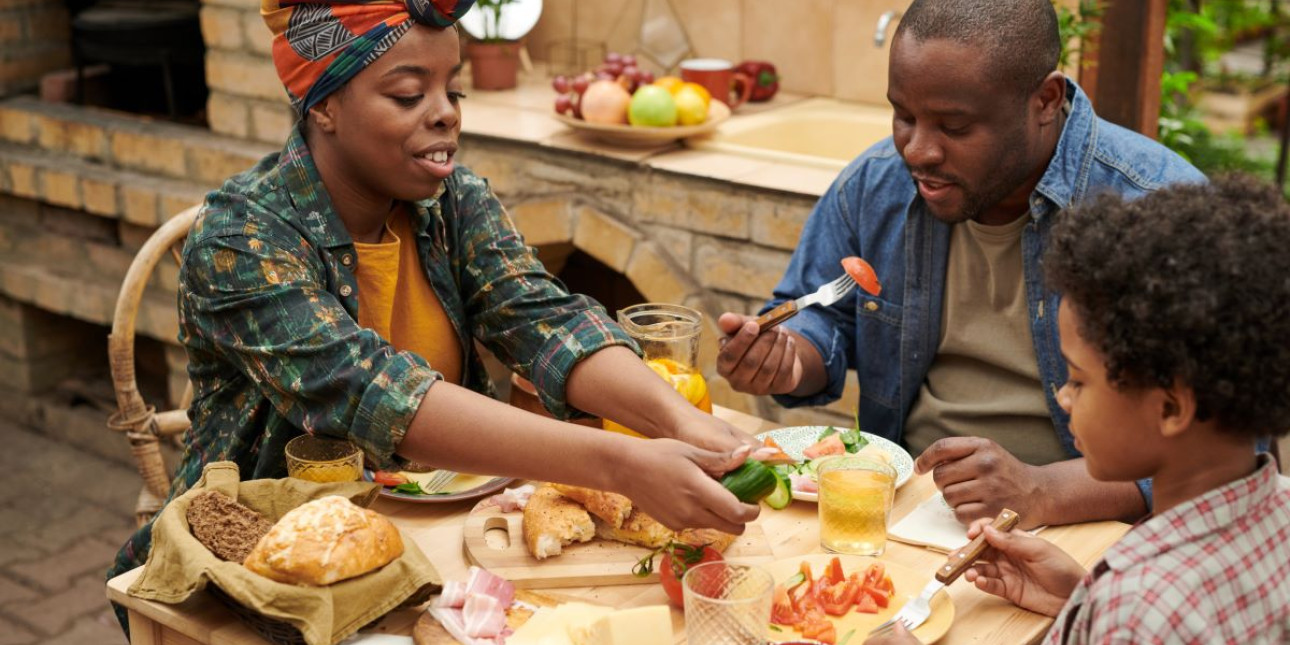
Have you noticed that the most satisfying meals we share are colorful and filled with a richness of spices and flavors? That’s because it's not just about one ingredient or a single cooking technique, it's the blend of many elements from countries and communities worldwide. Communities provide many colors, spices, and flavors, metaphorically speaking, as we work towards a vision of bringing together best-practice approaches and a multitude of options to see and support young people.
Connection to community provides a sense of belonging, fostering a solid foundation for individuals to feel seen and supported as they navigate life. Cultural norms often emphasize collective responsibility, encouraging community members to collaborate and support one another. Shared values, traditions, and customs within a community create a supportive network, promoting social cohesion and mutual assistance.
Culture includes our common beliefs and the practice of uplifting one another – for example, the Haitian funding circle, Sol. In this cultural practice, community members collect money into a fund and, in each funding cycle, a new member gets to claim the money in the fund. Families come together to support each other with housing needs, basic needs, or savings if access to banking is a challenge.
Relationships rooted in community practices and rituals can offer practical guidance for how we experience life. In the African diaspora, for example, elders hold a significant role. Through storytelling and sharing personal experiences, elders guide the next generation through the awareness of history; this is intergenerational mentorship. Intergenerational relationships pass down wisdom and insights that go beyond textbooks and formal education. This equips the younger generation with practical knowledge and a deeper understanding of life's challenges, contributing to their personal growth and development.
Build community by embracing, integrating, and celebrating communal practices. Don't know where to start? Consider a Community-Based Participatory Research (CBPR) project. CBPR is “a respectful, ethical, sympathetic, and useful” collaborative approach to cultivate the goals of a community.
Reflect
Set aside 15 minutes this week and prepare something to write with—a phone notes app, pen and paper, or whatever works best for you. Spend some time answering the following:
- What roles do community and communal practices play in the way you carry out your role?
- In your role, what are the opportunities to embrace, integrate, and celebrate the communities represented in your program?